(440) 582-5850
How Much Does Room Addition Cost In 2025?
For many homeowners, adding space feels like the next natural step as families grow and lifestyles evolve. Instead of uprooting to find a larger home, investing in a well-planned addition can completely transform how you live. Understanding room addition cost in 2025 is the key to planning wisely, budgeting accurately, and avoiding surprises along the way.
At Borowske Builders, we’ve guided countless homeowners through this process—turning outdated or undersized homes into functional, beautiful living spaces. If you’re exploring options for expanding your home, you can learn how we approach design, craftsmanship, and project transparency by visiting our home additions page.
In this guide, you’ll learn:
• What influences room addition cost in 2025
• How to budget for your project with confidence
• The major stages and costs involved in adding space
• Tips to maximize value and avoid overspending
Why Understanding Room Addition Cost Matters

Room additions are one of the most impactful investments a homeowner can make. They not only add square footage but also improve daily comfort, increase property value, and modernize your home’s layout. However, the cost can vary widely depending on design choices, materials, and structure.
Here’s why knowing what goes into pricing matters before you build:
• Financial Planning Confidence: Having a realistic estimate helps you prepare for financing, materials, and contingencies without surprises.
• Value-Driven Decisions: Understanding where your money goes ensures smarter upgrades and a better long-term return.
• Customized Design Choices: By aligning costs with your goals, you can create a room that suits your lifestyle and budget.
• Avoiding Hidden Expenses: Insight into construction costs helps identify potential challenges early, saving time and money later.
• Better Contractor Collaboration: Knowledge allows for more productive discussions with your builder about priorities and trade-offs.
Homeowners in Rocky River and surrounding areas often find that the right room addition transforms how their home functions—without sacrificing the neighborhood or location they love.
6 Key Factors That Affect Room Addition Cost
Every home addition is unique, but several core factors determine overall cost. Understanding these helps you plan effectively and get accurate estimates.
1. Size and Scope of the Addition
The size of your new space is the single biggest cost driver. Smaller additions such as a home office or bedroom typically cost less per square foot than complex multi-room additions.
Common types include:
• Single Room Additions: Bedrooms, offices, or small living areas
• Bump-Out Expansions: Minor structural extensions to add a few extra feet
• Full Additions: Multi-room or two-story expansions that significantly increase square footage
In 2025, homeowners can expect most room additions to range from $200 to $450 per square foot, depending on finish level and design complexity.
2. Foundation and Structural Work
The condition of your current foundation determines how much structural work is needed. New footings, piers, or reinforced slabs add to the cost but ensure long-term stability.
Key factors include:
• Soil quality and grading
• Whether the project builds out (adding new foundation) or up (adding a second story)
• Local building code requirements
3. Materials and Finishes
The materials you choose—both structural and aesthetic—have a major impact on final pricing. High-end finishes increase cost, but they also enhance durability and design quality.
For example:
• Framing and Insulation: Can make up 20–30% of total project cost
• Windows and Doors: Energy-efficient or custom sizes increase price
• Flooring, cabinetry, and trim: Vary widely between standard and luxury options
4. Mechanical Systems and Utilities
Expanding your home often means extending or upgrading plumbing, electrical, and HVAC systems. Homes with older infrastructure may require additional updates to handle the new space.
You may need:
• Electrical panel upgrades
• New HVAC zones or ductwork
• Plumbing lines for new bathrooms or wet bars
5. Design and Architectural Planning
Design complexity plays a major role in cost. A simple square addition costs less than one with irregular shapes, vaulted ceilings, or extensive custom millwork.
Working with a full-service design-build firm like Borowske Builders ensures your project is cohesive and efficient. We create detailed plans upfront so there are no costly surprises during construction.
6. Permits, Site Conditions, and Labor
Every project must comply with city building codes. Permit costs, inspection fees, and labor rates vary by region, especially in Rocky River and surrounding areas. Steeper lots, access challenges, or existing structural limitations can also increase costs.
5 Stages of a Room Addition Project
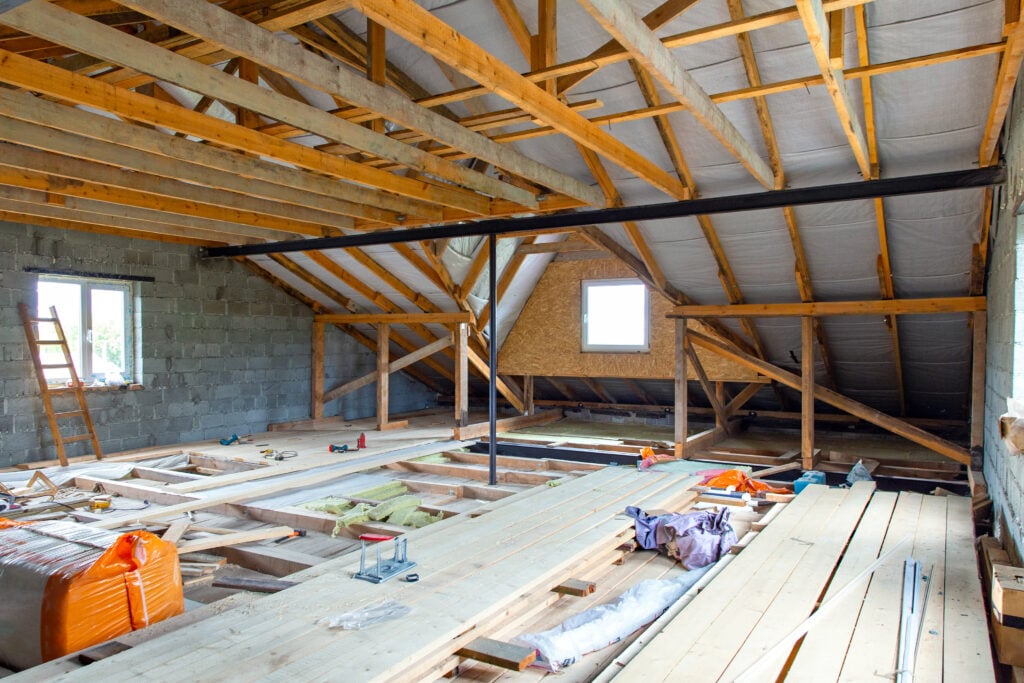
Every addition follows a process designed to ensure structure, safety, and design alignment. Understanding each stage helps homeowners see how costs are distributed over time.
1. Planning and Consultation
Your journey begins with defining your goals, budget, and timeline. During this phase, we evaluate the site, review your home’s structure, and identify possible design options.
This step typically involves:
• Initial consultation and measurements
• Feasibility studies and budgeting
• Preliminary design sketches
2. Design and Engineering
Once you approve the concept, detailed architectural and structural plans are created. Engineering ensures your addition integrates safely with the existing home.
This includes:
• Structural calculations and code compliance
• Floor plan layouts
• Material and finish selections
Costs at this stage usually range from 5%–10% of total project value.
3. Permitting and Preparation
Before construction begins, permits and inspections must be secured. We handle all coordination with city departments, ensuring full compliance. Site prep may involve demolition, grading, or foundation work.
Average cost allocation:
• Building permits: $1,500–$5,000
• Site prep and foundation: 10%–20% of total cost
4. Construction and Framing
This is where your addition takes shape. Framing, roofing, windows, and exterior finishes are completed before moving to the interior.
Included tasks:
• Foundation and framing installation
• Roof tie-ins and waterproofing
• Exterior siding and trim work
Construction accounts for 50%–60% of total project cost on average.
5. Interior Finishes and Final Touches
The final stage brings your vision to life with finishes, flooring, paint, lighting, and fixtures. This is where style meets function, and attention to detail matters most.
Typical finish costs:
• Drywall and paint: 5%–10%
• Flooring and trim: 10%–15%
• Cabinetry, lighting, and décor: variable by design preference
How to Budget for Your Room Addition in 2026
Knowing the average cost per square foot is only part of the equation. The key to success is budgeting for both expected and hidden expenses while balancing wants versus needs.
Prioritize Function Over Footprint
Start by determining how the new space will serve your family. A smaller, well-planned room is often more cost-effective than a large, underused one.
Build a Contingency Fund
Even with careful planning, unexpected expenses can arise. Allocate 10%–15% of your total budget for unforeseen costs like structural adjustments or material delays.
Consider Long-Term Value
Investing in quality construction pays off. Durable materials, energy-efficient systems, and timeless design ensure your addition maintains value for decades.
Explore Financing Options
Home equity loans or renovation financing can make it easier to fund large additions without depleting savings. Discuss with your builder and financial advisor early in the process.
Work With a Transparent Builder
One of the biggest budget pitfalls comes from vague or incomplete estimates. At Borowske Builders, our proposals include detailed cost breakdowns, so you always know where your money is going.
Comparing Room Addition Types and Costs
| Type of Addition | Average Size (sq. ft.) | Estimated 2025 Cost Range | Typical Features |
| Bedroom | 150–250 | $35,000–$75,000 | Closet, windows, simple layout |
| Family Room | 250–400 | $60,000–$120,000 | Large windows, open layout, lighting |
| Home Office | 120–200 | $30,000–$60,000 | Built-ins, outlets, soundproofing |
| Sunroom | 150–300 | $45,000–$90,000 | Skylights, glass walls, insulation |
| Bathroom Addition | 60–150 | $25,000–$70,000 | Plumbing, tile, fixtures |
| Multi-Room Addition | 400–800 | $120,000–$300,000+ | Multiple spaces, custom design |
These numbers are averages and can fluctuate based on location, materials, and labor. For Rocky River and surrounding areas, local factors like soil conditions, permitting costs, and architectural requirements may influence your final estimate.
Beyond these primary living spaces, many homeowners find that a dedicated transition area provides high value by protecting the rest of the home from dirt and clutter. If you are interested in a project that specifically targets entryway organization and storage efficiency, browsing through our favorite mudroom addition ideas can help you design a practical drop zone that perfectly complements your larger home expansion plans.
Bringing It All Together: Plan Smart and Build Right
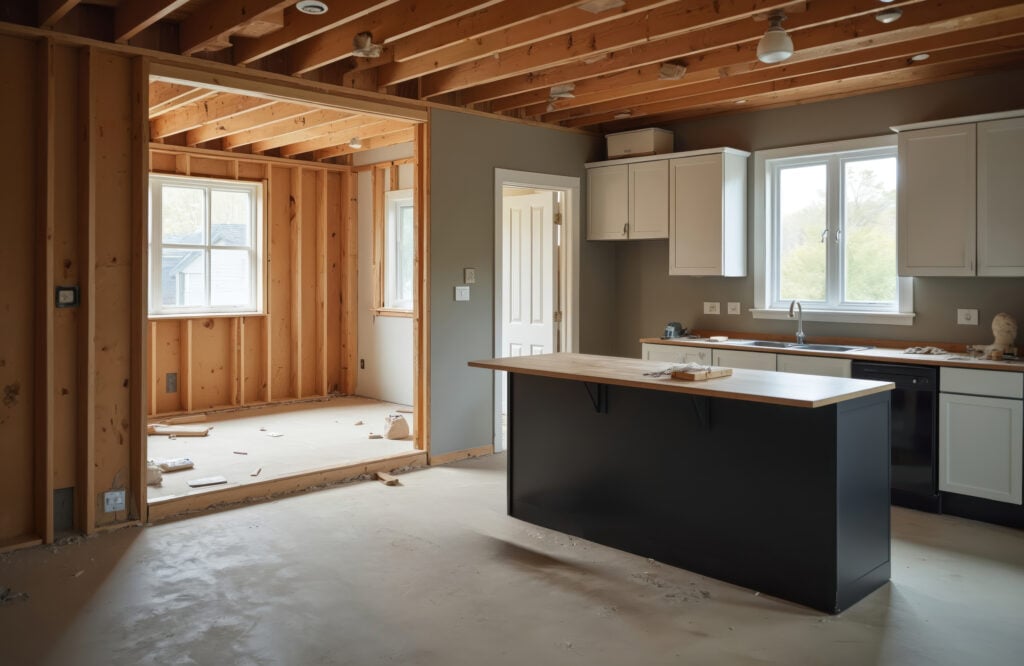
A well-designed room addition is one of the most valuable ways to improve your home’s comfort, function, and resale potential. While understanding costs is essential, choosing the right builder is just as important.
At Borowske Builders, we take pride in providing clear communication, transparent pricing, and exceptional craftsmanship from start to finish. Our design-build approach ensures your vision, budget, and timeline stay aligned throughout the entire process.
If you’re ready to explore what a room addition could look like for your home in Rocky River and surrounding areas, contact us today through our contact page. We’ll guide you through design ideas, accurate pricing, and a seamless process that turns your existing home into the space you’ve always wanted.